
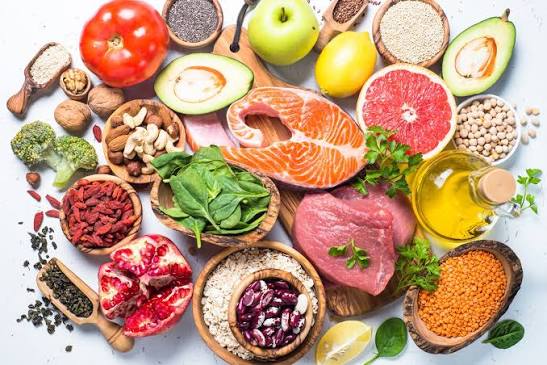
What is Protein ?
Proteins are tiny particles with huge importance — they help your body do everything necessary to function and stay alive. You can’t see proteins with your eyes, but they’re inside every cell in your body, doing a range of tasks without you even realizing.
Aside from scientific studies about why protein is so good for your metabolism, it boils down to something simple.
When we feed our bodies more protein, we’re replacing lower quality carbs that cause us to constantly feel hungry and sluggish.
What is the function of proteins?
Proteins keep everything in your body working and moving so you can keep moving. Proteins are so important that scientists describe them as your body’s workhorses
What is the function of proteins?
Proteins keep everything in your body working and moving so you can keep moving. Proteins are so important that scientists describe them as your body’s workhorses
How Much Protein Do I Need?
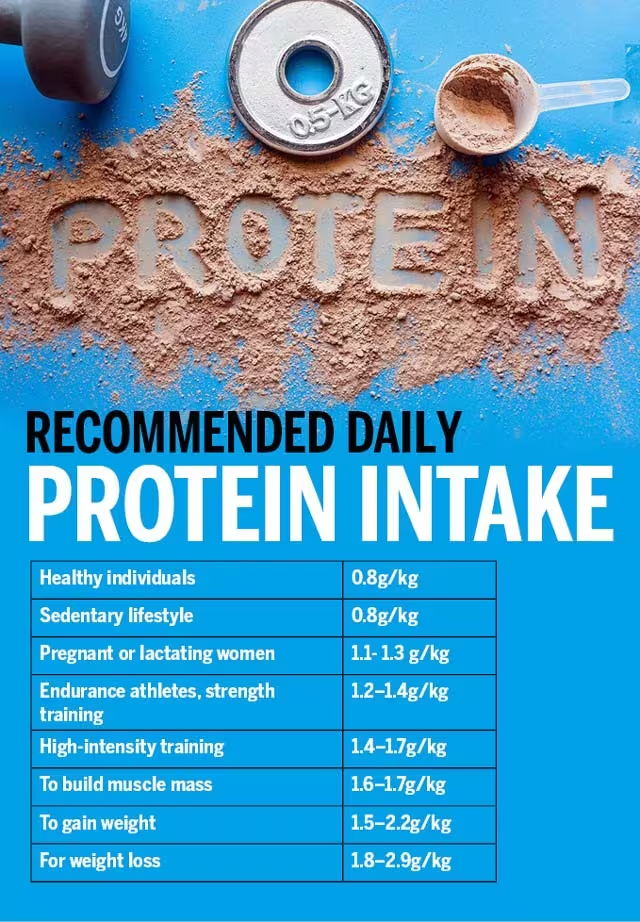
How To Calculate How Much Protein Should I Eat Per Day?
How much protein do you really need to achieve a weight loss goal? And on the flip side, how much protein do you really need to achieve a fitness goal or if you’re an athlete? Today, I’m breaking down a simple calculation that you can use to help determine how much protein you really need to achieve your weight loss or fitness goals.
How much protein do I need to consume daily? 1.5x my body weight or 2x my body weight?🤔
Well, whether you’re trying to build muscle, lose weight, or just stay healthy, protein plays a key role in muscle repair, metabolism, and overall health and in this video, your nutritionist Ryan Fernando will make life easier for you by breaking down:
✅ The science behind protein requirements 📊
✅ How age, activity level, and goals affect your daily intake 🏋️♂️
✅ Gut bacteria and protein

How Much Protein Should I Eat Per Day To Lose Weight?
| Weight (lbs / kg) | Moderate Target (1.6 g/kg) | High Target (2.2 g/kg) |
|---|---|---|
| 130 lbs / 59 kg | 94 grams | 130 grams |
| 150 lbs / 68 kg | 109 grams | 150 grams |
| 170 lbs / 77 kg | 123 grams | 170 grams |
| 200 lbs / 91 kg | 146 grams | 200 grams |
Why Protein is Crucial for Weight LosPreserves Lean Muscle Mass
Maintains Long-term Progress: Keeping your muscle mass intact prevents the severe metabolic slowdown that often leads to weight regain.
Prevents Muscle Breakdown: When you restrict calories, your body naturally targets both fat and muscle tissue for energy.
Protects Metabolism: Muscle tissue is metabolically active and burns more calories at rest than fat mass. Protein helps repair and sustain this muscle tissue.
Practical Implementation Tips
- Distribute Evenly: Your body utilizes protein most effectively when you consume 20 to 30 grams per meal spread across the day.
- Track Early On: Use a digital food scale or an app to weigh your meals during the first two weeks until you accurately recognize high-protein portions.
- Combine with Strength Training: While a high-protein intake is necessary, engaging in routine resistance training is the most powerful tool for maintaining your physical strength and muscle during fat loss.
- When to use protein supplements
You can use supplements when you need a quick, convenient protein option. But remember: The U.S. Food and Drug Administration (FDA) doesn’t regulate ingredients used in supplements. And supplements often lack other nutrients such as fiber, so they shouldn’t be consumed routinely as a substitute for protein-rich foods.
“For example, if you plan to exercise after work and before dinner, and haven’t eaten since lunchtime, a protein bar or powder could be an easy way to fuel your workout before you can get to that full meal,” Pratt says.
“Or if you struggle with eating breakfast in the morning, these things could be good options for an occasional quick meal on the go.”
If you drink your calories, you likely won’t feel as full as if you ate them, she adds. Pair protein supplements with something else (like a high-fiber fruit, such as an apple) if you use it as a meal replacement from time to time. This way, you won’t miss out on other nutrients.
Signs You’re Eating Too Much Protein
If your protein intake is consistently too high, your body will probably give you some clues. Potential signs of eating too much protein include:
- Bad breath (also called “keto breath”), especially on very low-carb, high-protein diets
- Dehydration
- Digestive discomfort (like bloating, constipation, or diarrhea)
- Fatigue or headaches
- Foamy urine
- Unintended weight gain (from excess calories)
These are all potential signals that “you may want to back off on how much protein you’re eating, because it’s just not serving your body well,” Zumpano says. (If you have foamy or bubbly urine, see a provider immediately. That’s a sign of high protein levels in your urine, indicating kidney damage, Cleveland clinic.
Who Should Limit Protein Intake?
Certain groups with conditions or risk factors that make them more likely to be harmed by excessive amounts of protein should naturally be mindful of protein intake. “Somebody that has a history of those conditions would need to be very cautious about consuming high amounts of protein,” Stadler says. (Especially, in many cases, animal protein.) That includes people who:
Are at risk for kidney stones
Are older adults with declining kidney function
Have a higher risk for gout
Have a higher risk for osteoporosis
Live with chronic kidney disease
These groups would do better on a low-to-moderate protein diet, Stadler says, depending on their medical history. If you fall into one of the above categories, your doctor will give you the best personalized recommendations around protein intake.

Protein and Kidney Health
“You might see that older individuals who are consuming very high amounts of protein might have these markers of increased protein breakdown in their blood or urine, and that might be a sign of them developing chronic kidney disease,”
Your kidneys filter the waste byproducts generated from breaking down protein out of the blood and get rid of them through the urine. So in people who already have reduced or strained kidney function, eating a lot of protein can overwhelm the kidneys.
“When your kidneys are failing to filter what’s already in your blood, and you’re taxing the kidneys by putting more protein in the body … it’s going to require them to try to work harder and lead them to failure quicker,”
That’s why individuals with stage one through four kidney disease who are not yet receiving dialysis generally want to stick to the lower end of the recommended range,
“That doesn’t mean you have to specifically follow a low protein diet, but you do want to follow the recommendations of your healthcare provider or your dietitian.” And avoid high-protein diets.
Some research suggests that very high protein intake over long periods of time may be linked to a decline in kidney function even in people without pre-existing kidney disease, but the results are inconclusive and the jury is still out on that question.
